The sister who befriends and listens
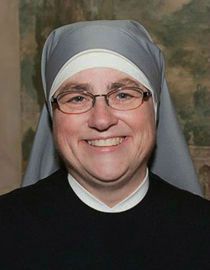
When she was growing up, Sr. Ave Clark’s father told her to befriend the workers who were a regular part of her life: the sanitation men, the mail carrier, the bank tellers, etc.


When she was growing up, Sr. Ave Clark’s father told her to befriend the workers who were a regular part of her life: the sanitation men, the mail carrier, the bank tellers, etc.
“Delivering a baby is called labor for a reason.” That was one of the parting thoughts (pun intended) offered by the nurse who led my pre-birth class more than 20 years ago.
Who are we really? Who are we when we are stripped naked in soul: stripped of ego, stripped of the image we have of ourselves, stripped of the hype, fads and ideologies that we unconsciously inhale and which color our thinking, stripped of the trauma we carry from our wounds, and stripped of our habitual unconscious posturing?
In recent years, the arrival of artificial intelligence has exploded as a topic of discussion, question, excitement and fears.
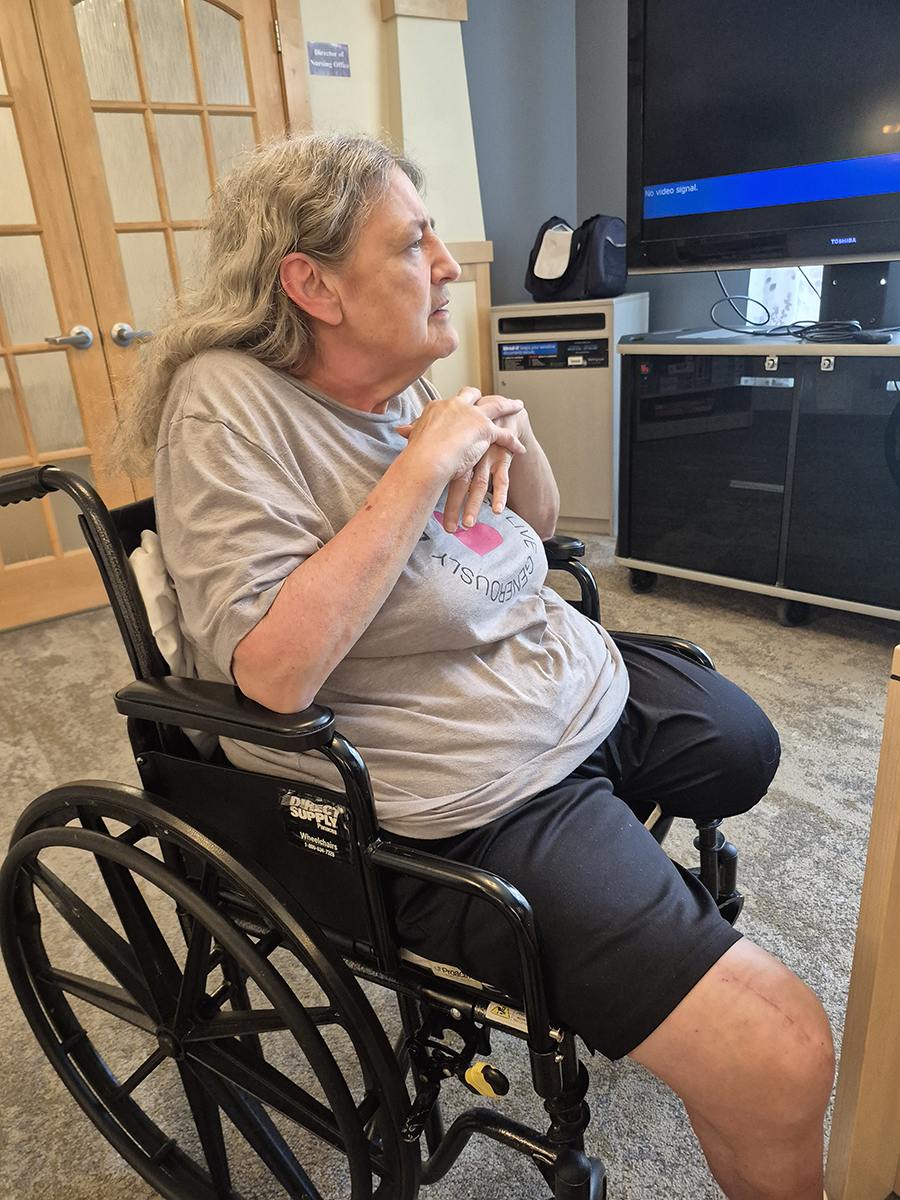
Jeannie Conant was immediately surrounded by dozens of religious images, including a bulletin board I prepared by pulling out written notes from church children, with crayon drawings along with a classic laughing Jesus and baby lamb, somehow appropriate even though she would miss her favorite service, the Easter Vigil.
This month marks the one-year anniversary of the election of Cardinal Robert Prevost as pope.
Recently, I got the ominous heads-up that my work computer is scheduled to be replaced this summer.
As April exploded into the exuberance of a long-awaited spring, many welcomed her arrival with great joy.
A number of springs ago, I came to the Easter Vigil Mass with the joyous anticipation of Easter muted a bit.
The classical atheistic thinkers of the Enlightenment, philosophers such as Frederick Nietzsche and Ludwig Feuerbach, taught that all religious experience is simply human projection.